
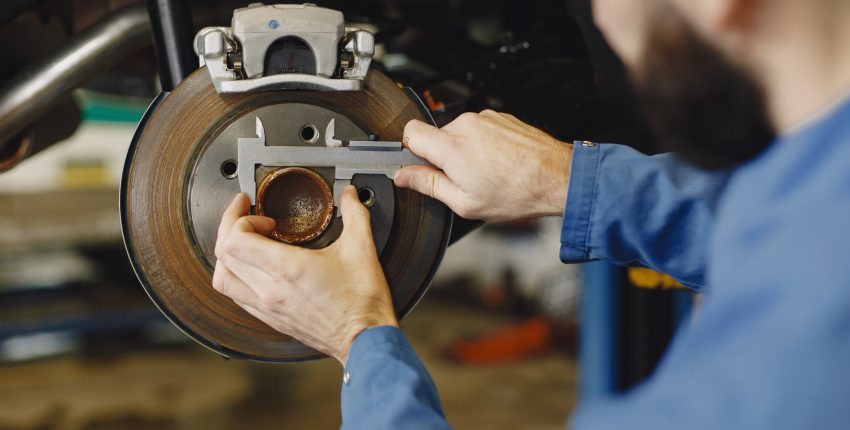
Maintaining your brakes in optimal condition is essential for safety. Whether you’re driving through Boise or navigating the busy streets of Garden City, ID, reliable brakes are critical. If your brakes are squeaking, producing unusual noises, or showing signs of wear, you face an important decision: should you opt for brake repair or a full brake replacement? This guide explains the differences, advantages, and potential cost implications of each option, helping you make an informed choice.
Understanding the Basics of Brake Systems
Before comparing repair and replacement, it’s helpful to understand the components of a braking system and how they function. This knowledge will allow you to identify problems accurately and choose the most suitable solution.
Key Components of a Brake System
A vehicle’s braking system typically includes:
- Brake pads – These press against the rotors to slow or stop your vehicle.
- Rotors – These work in conjunction with the brake pads to generate friction.
- Calipers – These hold the brake pads in position and facilitate the braking process.
- Brake fluid – This transmits the force from the brake pedal to the brake components.
Each component plays a critical role in ensuring effective braking. Failure or excessive wear in any of these parts can compromise safety.
Common Brake Issues
Brakes are subject to friction and heat, which cause wear over time. Common problems include:
- Squeaking or grinding noises – Often caused by worn brake pads.
- Reduced braking efficiency – This may indicate worn rotors or pads.
- Soft or spongy brake pedal – Can signal low brake fluid or air in the brake lines.
Recognizing these symptoms early can help you determine whether repair or replacement is necessary.
When to Consider Brake Repair
Brake repair focuses on fixing or replacing individual components without replacing the entire system. This option can be suitable in cases of minor wear or damage.
Minor Wear and Tear
If brake pads are worn but rotors and other components are in good condition, replacing just the pads may be sufficient. This approach is cost-effective and extends the lifespan of your braking system. Brake pad replacement typically costs between $100 and $300 per axle, depending on the vehicle and service provider.
Seasonal Considerations
In regions like Garden City, winter road conditions and salt can accelerate brake wear. Regular inspections and maintenance during harsh weather months help prevent more extensive damage. Preventative measures such as cleaning brake components and checking for corrosion can significantly extend their life.
Advantages of Brake Replacement
In some cases, a full brake replacement is the safer and more effective choice. This involves replacing major components, such as rotors, pads, and sometimes calipers, to restore the system to optimal condition.
Severe Damage or Wear
Warped rotors, leaking calipers, or extensive wear often require a full brake replacement. Addressing these issues promptly prevents potential failures and costly repairs down the line. Complete brake replacement per axle generally ranges from $300 to $800, providing long-term reliability.
Enhanced Performance
For drivers who need improved braking performance, such as those navigating hilly terrains around Boise, upgrading to high-performance brake components can offer better responsiveness and durability. Full replacement ensures all parts are new and functioning efficiently.
Cost Comparison: Repair vs. Replacement
Understanding the cost implications of repair versus replacement helps you make a financially informed decision.
Short-Term vs. Long-Term Costs
Brake repairs are initially less expensive than full replacement. However, frequent repairs can accumulate higher costs over time. Conversely, replacement involves a higher upfront expense but may reduce the need for future service.
For example, if your brake pads wear out frequently, a full replacement could be more cost-effective in the long run. If the issue is minor and infrequent, repair is often the better choice.
DIY vs. Professional Services
Some vehicle owners consider performing brake work themselves. While DIY repair may save money, it carries significant risks. Improper installation can lead to brake failure and endanger drivers and passengers.
Professional service ensures correct installation and reliable performance. Skilled technicians have the tools and expertise to handle the job safely and efficiently, providing peace of mind and ensuring compliance with safety standards.
How to Make the Right Choice
Choosing between repair and replacement depends on several factors, including wear severity, budget, and vehicle type.
Evaluating Your Needs
Regular brake inspections allow you to monitor the condition of your system. Professional evaluation can provide guidance on whether repair or replacement is most appropriate, ensuring safety and preventing unexpected issues.
Contacting Wrench & Ratchet
For residents in Boise and Garden City, Wrench & Ratchet offers comprehensive brake services. Their experienced technicians can assess your braking system and recommend the most suitable solution. Whether you need to extend the life of your current brakes or upgrade for improved performance, professional guidance helps you make informed decisions while saving time and money.

Don’t wait for minor issues to escalate. Scheduling brake maintenance or replacement with Wrench & Ratchet ensures your vehicle is safe and ready for the road.