

Car trouble is something we all want to avoid, especially if it sneaks up on us without warning. One of the more insidious problems that might catch you off guard is an alternator issue. At Wrench & Ratchet in Garden City, Idaho, we often see customers who think they need a battery replacement when the real culprit is a failing alternator. Understanding the signs of alternator trouble can save you time, money, and a lot of hassle on the road. In this guide, we’ll explore the symptoms that indicate you might need an alternator repair and how it ties into reliable battery replacement.
What is an Alternator and Why It Matters
The alternator in your vehicle is a crucial component of its electrical system. It serves the purpose of converting mechanical energy into electrical energy, which powers the car’s electrical components and charges the battery.
The Role of the Alternator
An alternator works alongside the battery to supply power. While the battery is responsible for starting the car, the alternator keeps it running by generating electricity. It ensures that the battery remains charged and supports all electrical functions, from headlights to air conditioning. For instance, if you’re driving at night with the radio on and the air conditioner running, all these components rely on the alternator to function effectively.
Importance of a Well-Functioning Alternator
A faulty alternator can lead to a domino effect of issues. Without a reliable alternator, your battery will not charge, leading to a dead battery and potentially leaving you stranded. Moreover, electrical components might malfunction or fail altogether, compromising your safety and comfort. Imagine driving in the rain with malfunctioning wipers due to an electrical failure; it’s a dangerous situation that can be avoided with a properly working alternator.
Common Signs Your Alternator Needs Repair
Being able to recognize the signs of alternator failure can help you address the problem before it escalates. Here are some common indicators to watch out for:
Dim or Flickering Lights
If you notice your headlights or dashboard lights are dimming or flickering, it might be a sign that your alternator is struggling to power them. This usually happens because the alternator is not providing enough electricity. For example, you might find your headlights dimming when you come to a stop, only to brighten again as you accelerate.
Electrical Failures
When your alternator is failing, you might experience problems with various electrical components. Windows might roll up slower than usual, or your radio might cut out unexpectedly. These are signs that your vehicle’s electrical system is not receiving enough power. Picture being on a road trip and suddenly losing GPS navigation because the alternator isn’t supplying enough power—it’s more than an inconvenience; it’s a potential safety risk.
Strange Noises
A failing alternator might produce unusual noises, such as grinding or whining. These sounds could be due to a worn-out bearing or other internal issues within the alternator. If you hear such noises, it’s crucial to get it checked out before it leads to more extensive damage, possibly affecting other parts of the vehicle.
Impact on Battery Replacement
A malfunctioning alternator can directly impact your battery’s health and lifespan. If the alternator isn’t working correctly, it won’t charge the battery effectively, leading to frequent battery failures.
Draining Battery
You might find that your battery frequently loses charge or dies completely. This could be because the alternator is not replenishing the battery’s charge while driving, forcing the battery to handle the entire load of the electrical systems. A practical example would be needing a jump-start repeatedly even after replacing the battery, which often points to alternator issues rather than a faulty battery.
Frequent Battery Replacements
If you’re replacing your battery more often than usual, it might not be the battery that’s faulty. A poor alternator can lead to repeated battery failures, making it seem as though the battery itself is the issue.
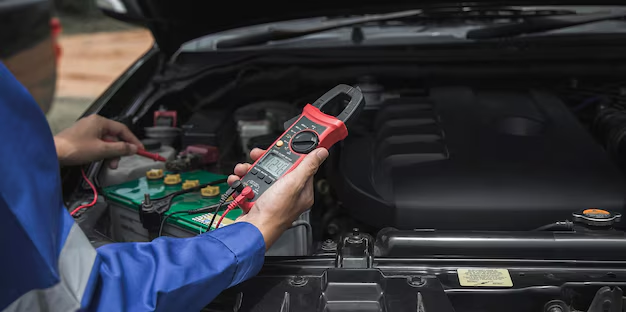
How Seasonal Changes Affect Your Alternator
The weather in Boise and surrounding areas can be quite variable, and seasonal changes can impact your alternator’s performance. Here’s how:
Winter Weather Challenges
Cold weather can be particularly harsh on your vehicle’s electrical system. The alternator has to work harder to start the engine and maintain power, which can exacerbate existing issues. During winter, the demand on your alternator increases as you use heaters and defrosters more frequently.
Summer Heat
High temperatures can also affect the alternator, causing it to overheat. This can lead to premature wear and increased likelihood of failure. The heat can affect the internal components of the alternator, reducing its efficiency and lifespan. Regularly checking your alternator during seasonal changes can help mitigate these risks.
Local Insights: Alternator Issues in Garden City
Living in Garden City, residents often face specific challenges related to road conditions and weather patterns that can affect car components like the alternator.
Road Conditions and Their Impact
Potholes and rough roads can jolt your car’s components, leading to mechanical wear and tear. Regular inspections can help catch any issues before they become major problems. For example, driving on a bumpy road daily can cause connections to loosen, affecting the alternator’s performance.
Importance of Regular Maintenance
At Wrench & Ratchet, we emphasize the importance of regular vehicle maintenance to extend the life of your alternator and prevent unexpected breakdowns. Regular check-ups can help ensure everything is in working order, especially before the extremes of summer or winter. We recommend including alternator inspections in your routine vehicle maintenance schedule.
Practical Tips to Extend Alternator Life
Taking care of your alternator can save you from costly repairs and inconvenient breakdowns. Here are some practical tips:
Regular Inspections
Have your alternator and battery inspected regularly, especially if you notice any of the warning signs mentioned earlier. Early detection of issues can prevent them from escalating.
Keep Your Vehicle Clean
Dirt and grime can build up in the engine bay, affecting the alternator’s cooling efficiency. Keeping your engine clean can help prevent overheating and extend the life of your alternator. Consider washing the engine bay every few months to prevent buildup.
Avoid Overloading Electrical Systems
Be mindful of how much strain you put on your vehicle’s electrical systems. Avoid running too many electrical components at once, especially if your vehicle shows signs of electrical issues. For example, turning off the radio and AC when idling can help reduce the load on the alternator.
Take Action with Wrench & Ratchet
Recognizing the signs of a failing alternator can prevent unnecessary battery replacements and keep your vehicle running smoothly. If you’ve noticed any of the symptoms we’ve discussed, it’s time to reach out to the experts at Wrench & Ratchet. Our team in Garden City is ready to diagnose and repair your alternator, ensuring your car stays reliable on the road. Don’t wait until it’s too late—schedule your service today and drive with confidence. We’re here to ensure that your vehicle’s alternator and battery work in perfect harmony for a smooth and safe driving experience.