[HERO]
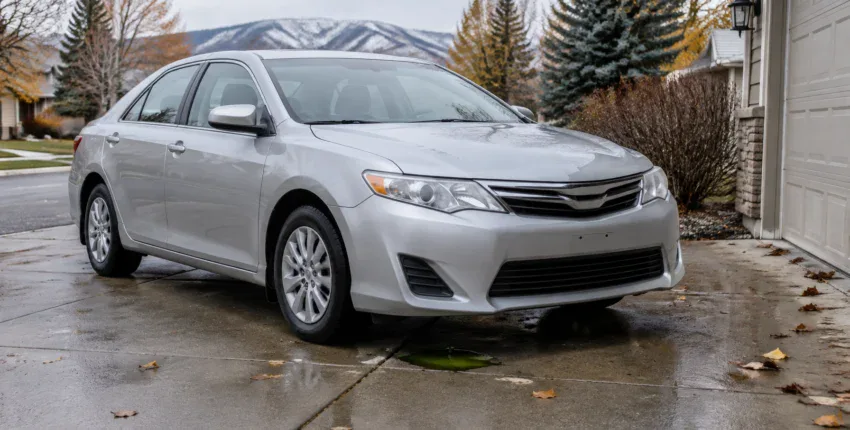
A small puddle under your car can be easy to overlook, especially if the vehicle still seems to run normally. But as temperatures drop around Garden City and Boise, a coolant leak deserves prompt attention. Coolant that’s low, old, or mixed incorrectly may not protect your engine from freezing, and a leak can leave too little fluid in the system to regulate temperature safely.
Before Idaho’s first hard freeze, it’s worth finding out what’s behind the puddle. A minor leak may be straightforward to repair; left alone, it can contribute to overheating, poor cabin heat, or serious damage in cold weather.
What coolant does, and why the mixture matters
Coolant, also called antifreeze, circulates through the engine and radiator to carry heat away from the engine. It also helps protect cooling-system components against corrosion and freezing.
That protection depends on using the coolant specified for your vehicle and maintaining the correct mixture. Many vehicles use a mixture of antifreeze and water, but the right type and proportions vary. The owner’s manual is the best guide. Adding plain water repeatedly, mixing incompatible products, or using an incorrect concentration can reduce protection or create other problems.
A technician can check the coolant’s condition and freeze protection with an appropriate tester. Don’t assume that coolant is ready for Idaho winter just because there’s fluid in the reservoir.
Where coolant leaks can start
Coolant passes through several parts of the engine and cooling system. A leak may come from:
- Radiator seams, tanks, or connections
- Hoses, clamps, or the pressure cap
- The water pump or its gasket
- The thermostat housing
- The heater core, which transfers heat into the cabin
- An internal engine problem, such as a head-gasket leak
Some leaks leave a visible puddle. Others evaporate on hot components, collect on an underbody shield, or occur inside the cabin. A leak’s location and size don’t always tell you how serious it is, so a proper inspection matters.
Is the puddle coolant?
Coolant can be green, orange, pink, yellow, blue, or another color depending on the vehicle and product. Color alone isn’t a reliable way to identify it: fluids can vary, mix, or appear different once they’ve spread across the ground.
Coolant often has a sweet smell and can feel slick, but don’t touch or taste an unknown fluid. Antifreeze is toxic to people and animals. Keep children and pets away from a spill, and clean it up safely.
The puddle’s position may offer a clue, but it isn’t definitive. Airflow and underbody panels can move fluid away from the source. If you notice a puddle, note where it appears and arrange an inspection rather than relying on appearance alone.
Warning signs beyond a puddle
A leak may be present even when you don’t see fluid on the driveway. Pay attention to:
- A reservoir level that keeps dropping
- A sweet odor around the vehicle or inside the cabin
- The temperature gauge creeping higher than usual
- A coolant or temperature warning light
- Steam from under the hood
- Cabin heat that becomes weak or suddenly turns cold
- Fogged windows or damp carpet, which can point to a heater-core issue
White, sweet-smelling steam under the hood can indicate coolant contacting hot engine parts. Persistent white exhaust after the engine has warmed up can have other causes, but may warrant investigation for an internal coolant leak.
Never remove a radiator or pressurized reservoir cap while the engine is hot. Hot coolant and steam can cause severe burns. If the temperature rises, a warning light comes on, or steam appears, pull over safely, shut off the engine, and let it cool. If there’s active leaking or overheating, arrange a tow instead of continuing to drive.
Why a small leak can become a winter problem
When coolant escapes, the level can fall below what the system needs to circulate and control engine temperature. That can lead to overheating, even when the air outside is cold. Continuing to drive an overheating vehicle can damage engine components, including the cylinder head and head gasket.
Cold weather adds another risk. If the coolant’s freeze protection is inadequate, it can freeze or partially freeze. Frozen coolant may restrict circulation and can expand enough to damage components such as hoses, a radiator, or, in severe conditions, the engine block. A leak that leaves the system low, or repeated top-offs with plain water, can make it harder to maintain the correct protection.
Freeze-thaw cycles can also put added stress on parts that are already cracked, worn, or brittle. They don’t make every small leak an emergency on their own, but they’re another reason to repair a known leak before temperatures stay below freezing. A cooling system issue may also leave the heater core short on hot coolant, reducing cabin heat and making winter driving less comfortable.
For general cold-weather preparation, follow your owner’s manual for the correct coolant type and maintenance schedule, and review why diagnostic testing matters before repairs.
What a shop diagnosis involves
A technician will look for the source of the leak instead of simply topping off the reservoir. Depending on the symptoms, diagnosis may include:
- A cooling-system pressure test: Pressure can help reveal leaks at hoses, connections, the radiator, or other components.
- A visual inspection: The technician may check hose clamps, radiator seams, the thermostat housing, and the water pump’s weep hole for signs of leakage.
- UV dye, if needed: Dye can help trace a hard-to-spot leak.
- A coolant strength check: A tester can help determine whether the antifreeze mixture offers suitable freeze protection.
- Tests for an internal leak: If symptoms point to a head-gasket or other engine concern, a technician may check for combustion gases in the cooling system.

A quick repair or a bigger job?
Some leaks come from a worn hose, loose or damaged clamp, or faulty cap. These may be relatively simple repairs, though the system still needs to be checked afterward.
A leaking radiator or water pump may require more involved work. A heater-core repair can take additional labor because the part is located inside the cabin’s heating system. If tests point to a head-gasket problem, the repair may be more extensive. The right next step depends on the source of the leak and your vehicle’s design, not just the size of the puddle.
Wrench & Ratchet provides heating and cooling system service, including coolant service, radiator repairs, and heater-core inspections.
A practical pre-winter plan
Before the first hard freeze, take a few sensible steps:
- Look for signs of a leak. Check the ground where you usually park, but don’t crawl under an unsupported vehicle.
- Check the reservoir only when the engine is cold. If the level is low, follow your owner’s manual and don’t open a hot cooling system.
- Avoid guessing at the fluid. Use only the coolant type specified for your vehicle, and don’t mix products unless the manufacturer says it’s compatible.
- Book an antifreeze check and leak inspection. A pressure test and coolant-strength check can help identify a problem before winter weather makes it harder to ignore.
- Don’t drive through overheating. If the temperature gauge rises, a warning appears, or steam is present, stop safely and arrange help.
Don’t let a small coolant leak wait for freezing weather
A coolant puddle may point to a repair that’s manageable now, but driving with a low or leaking cooling system can risk overheating and leave your vehicle unprepared for Idaho cold. If you’ve noticed a sweet smell, a falling reservoir level, or fluid under your car, schedule an inspection before the first hard freeze.
Contact Wrench & Ratchet Auto Care for cooling system service in Garden City. We serve drivers in Boise and surrounding Idaho communities and can help identify the leak and explain the repair options clearly.